Working with Nyquist Design was a game-changer for our presentations. They took our rough content and turned it into beautifully branded decks that perfectly captured our voice and made every message feel clear and compelling.
Brenden Pickford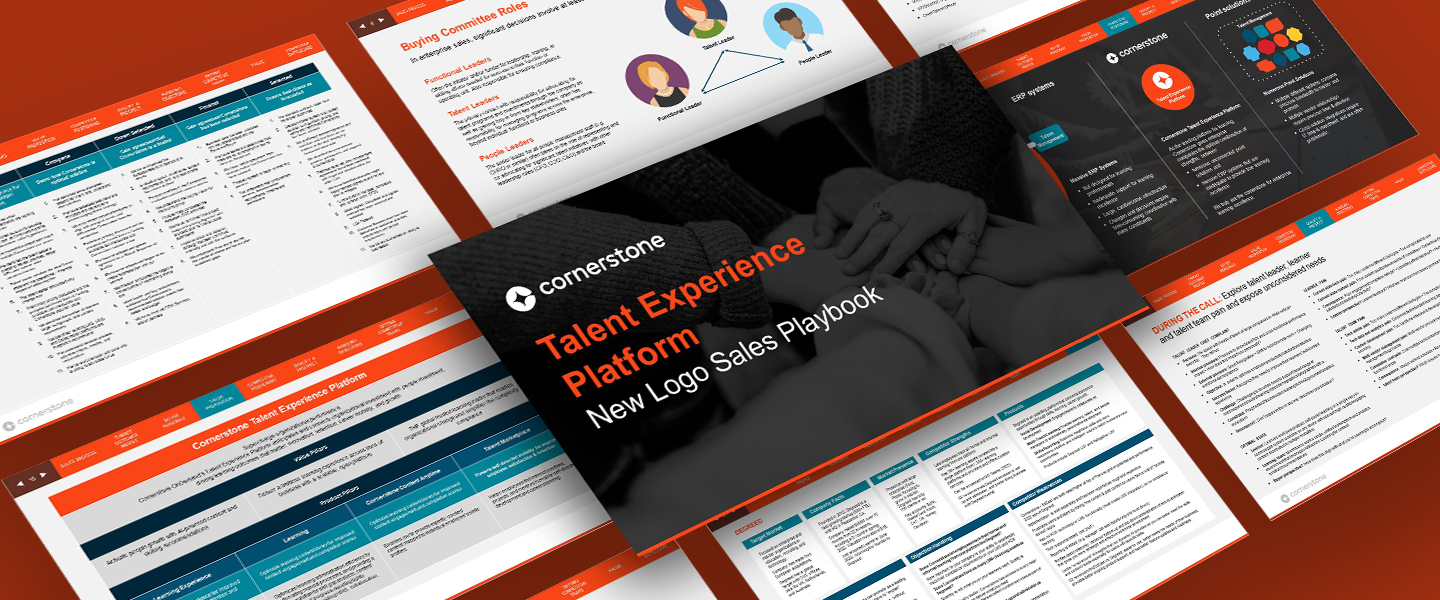
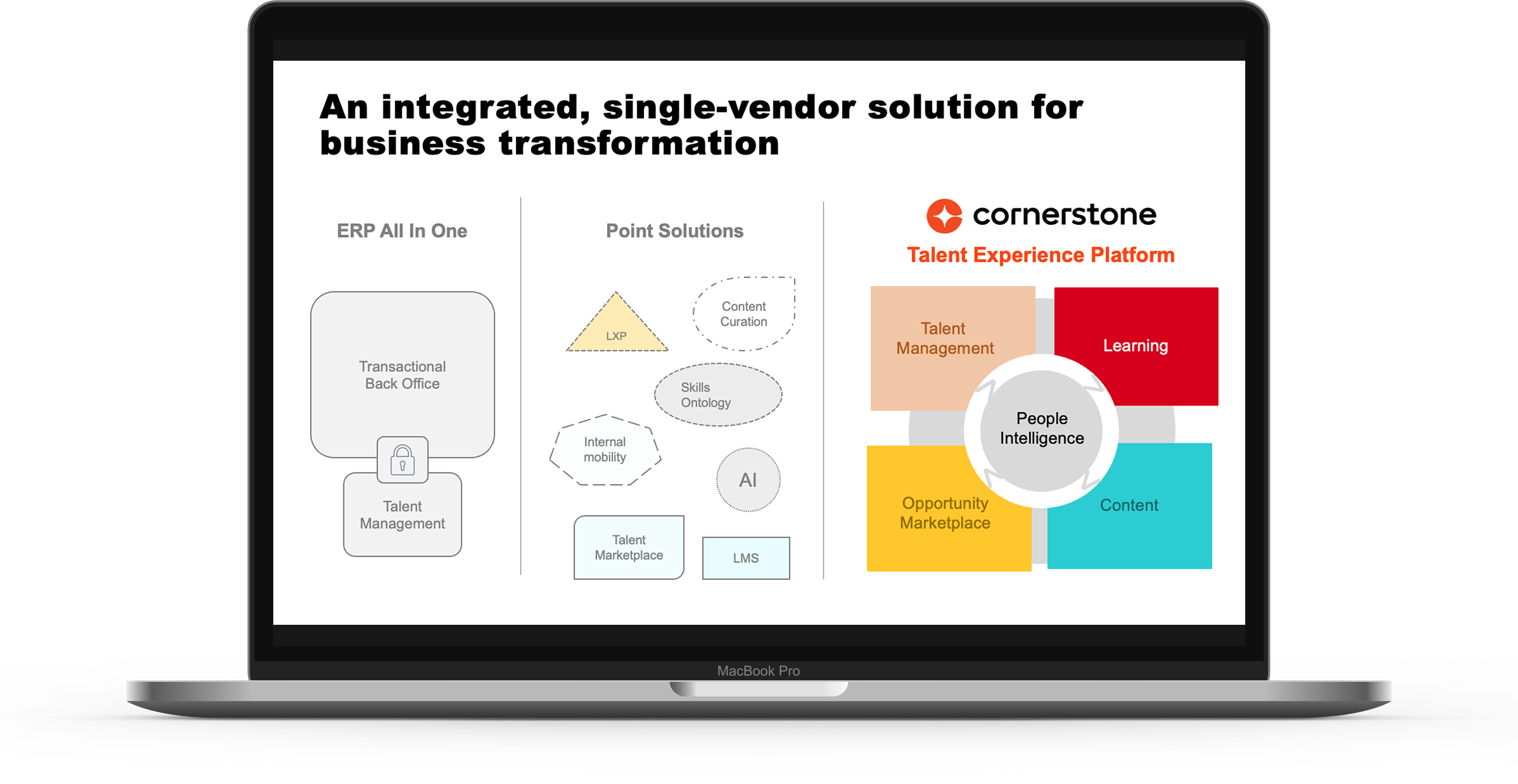
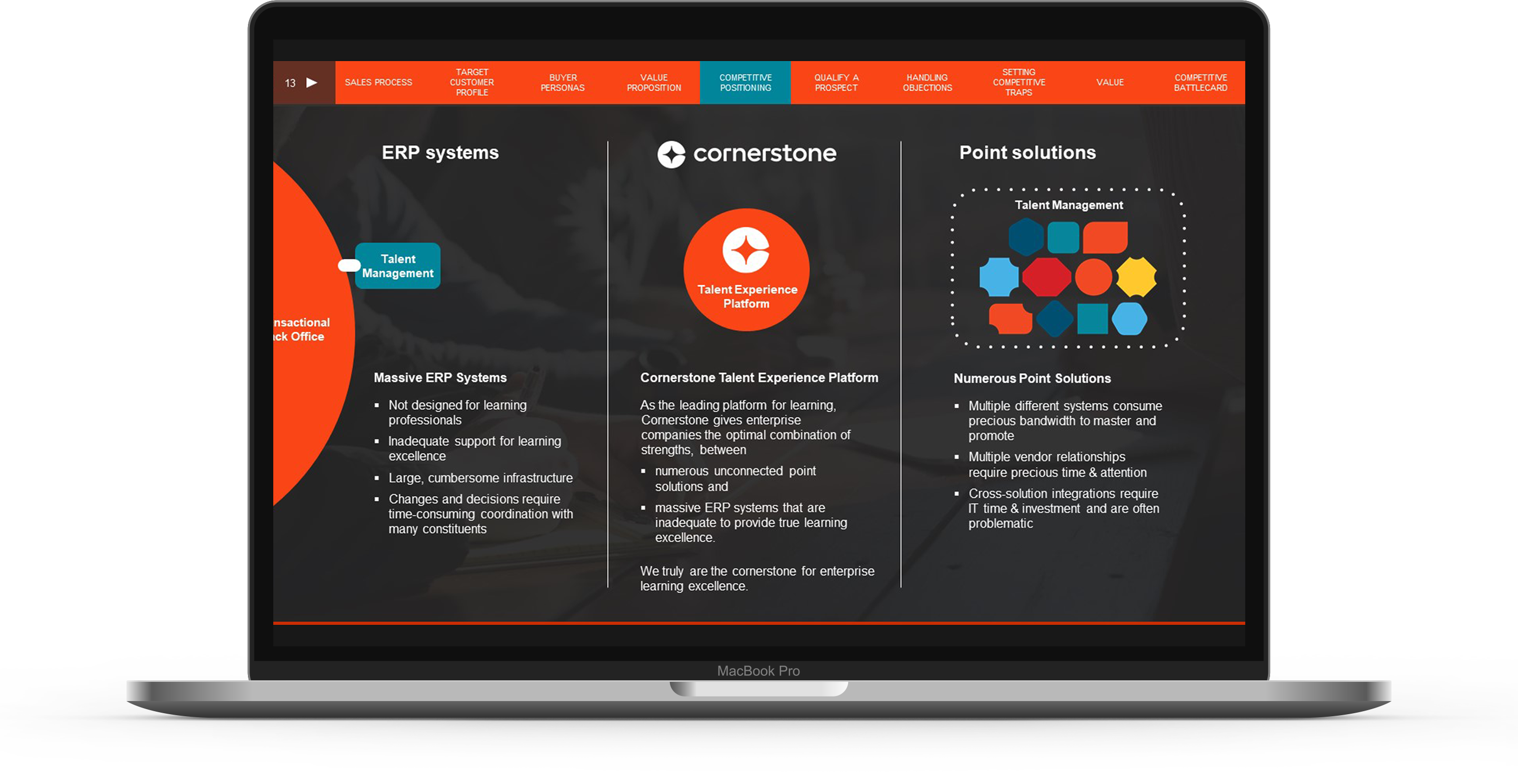
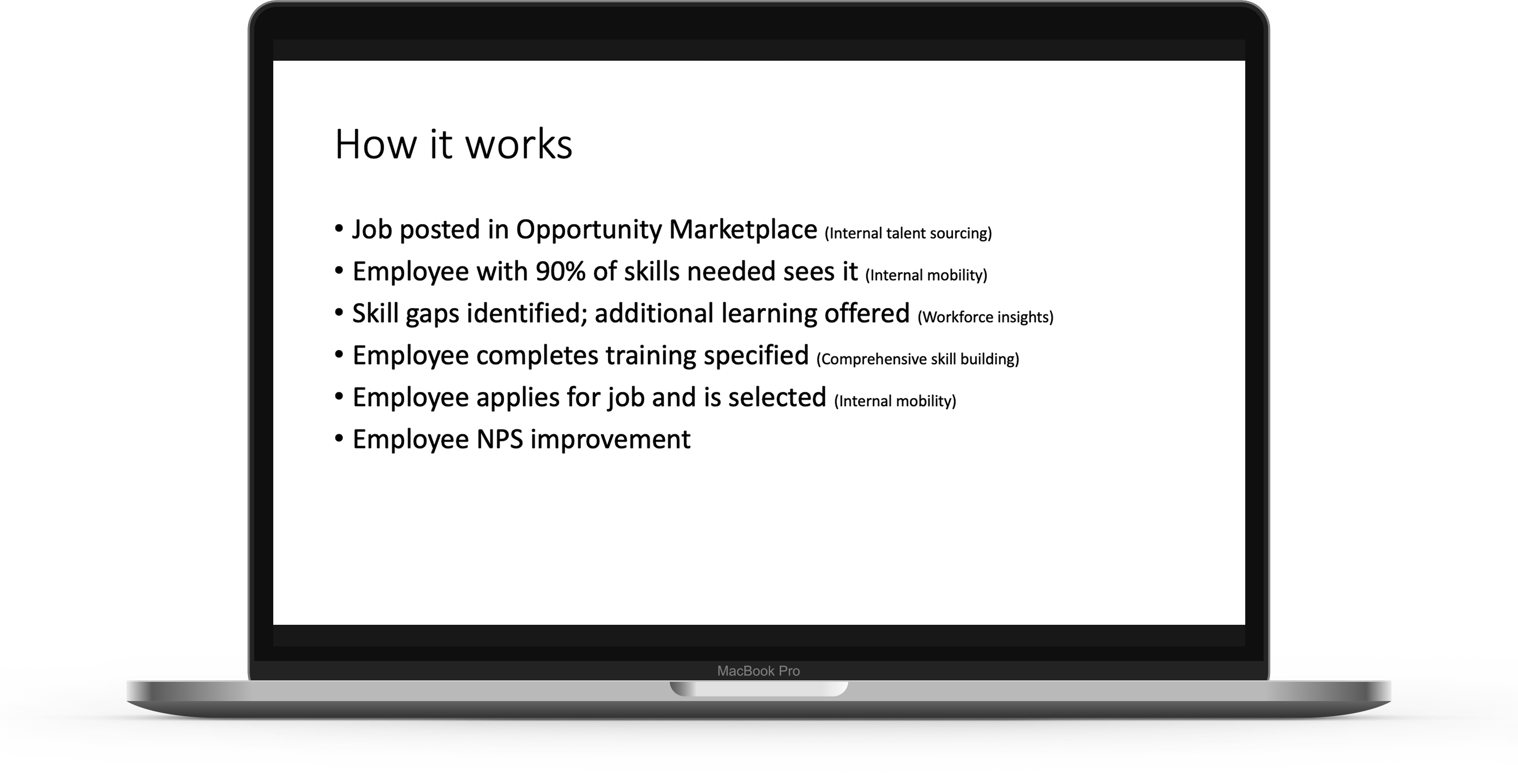
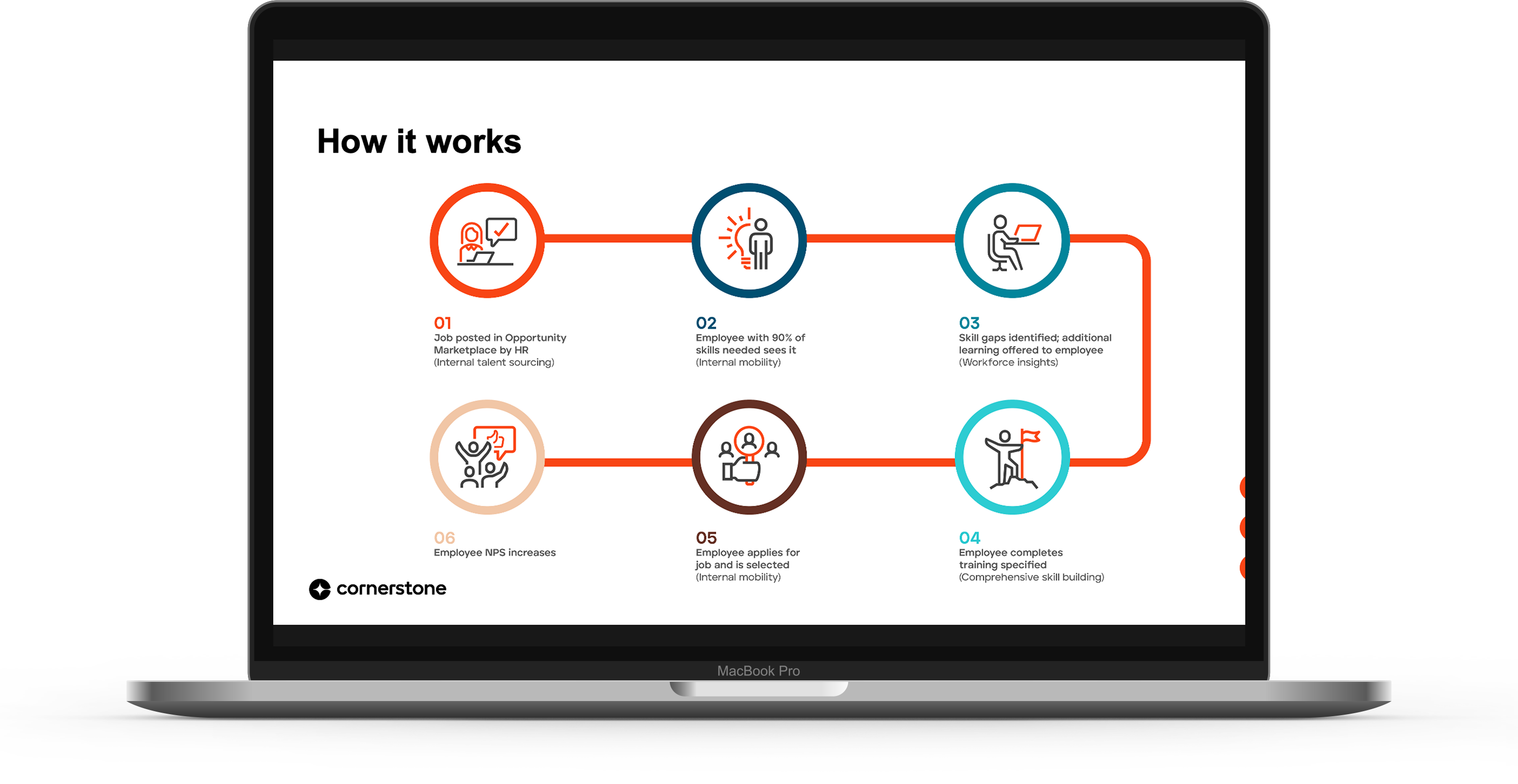
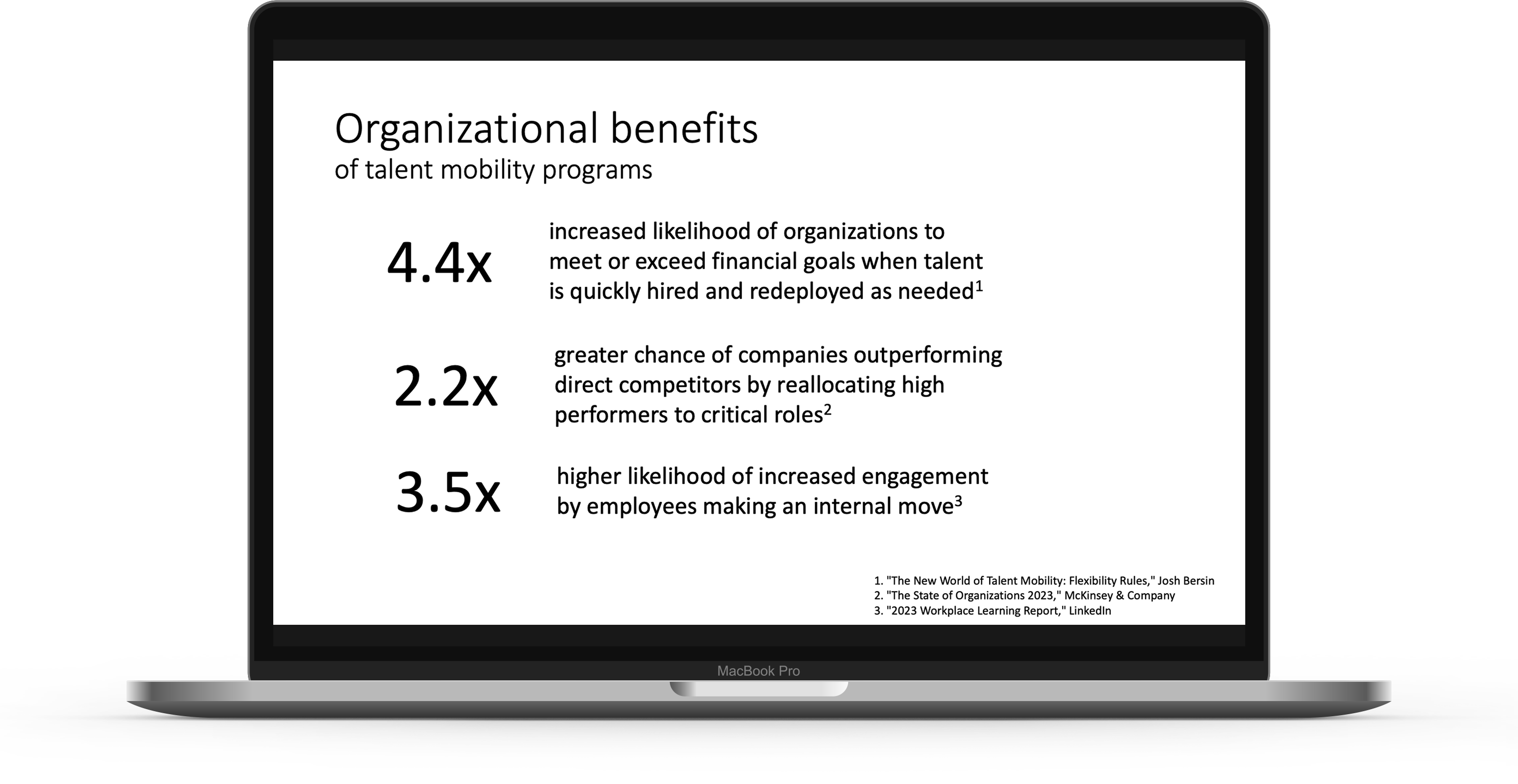
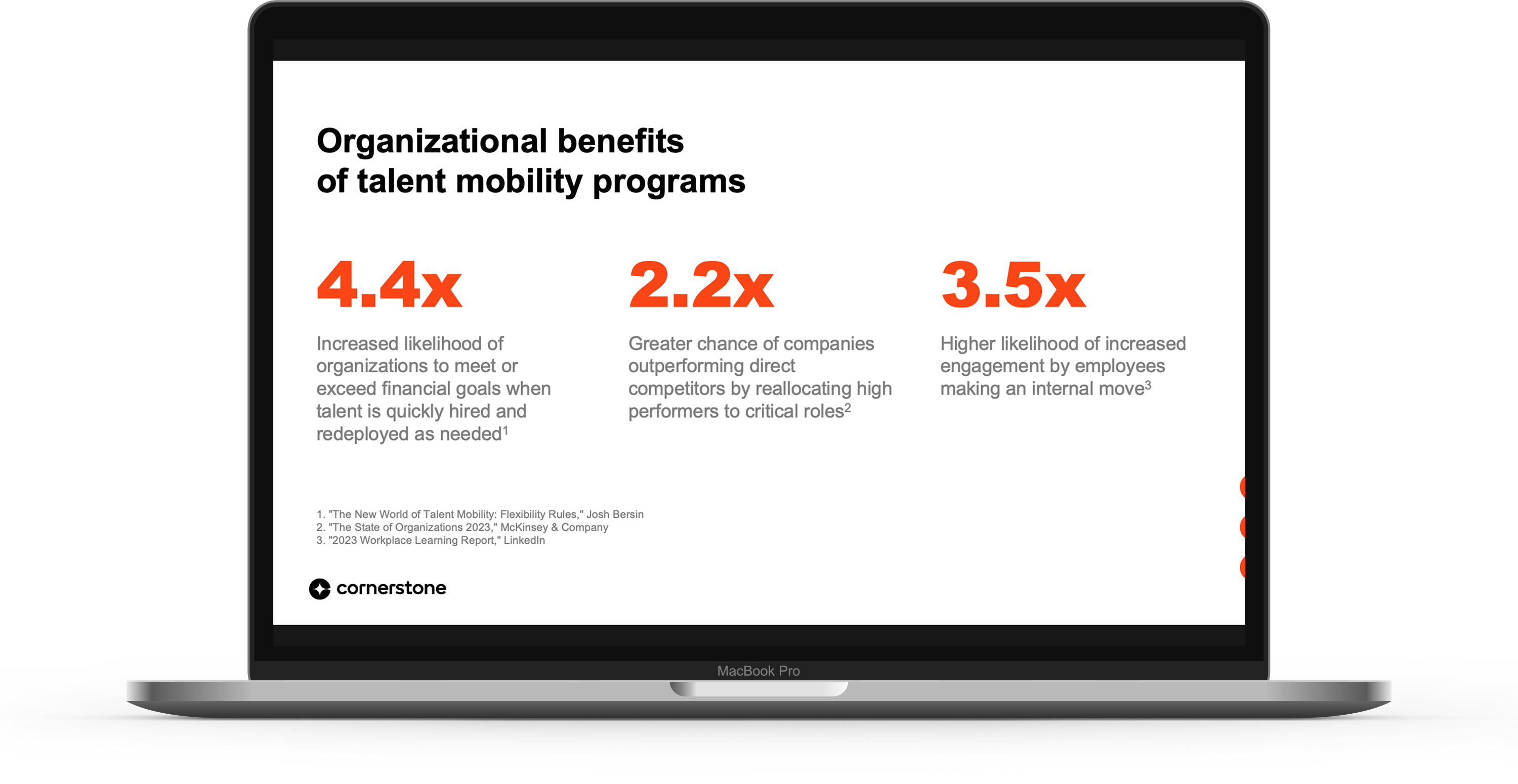
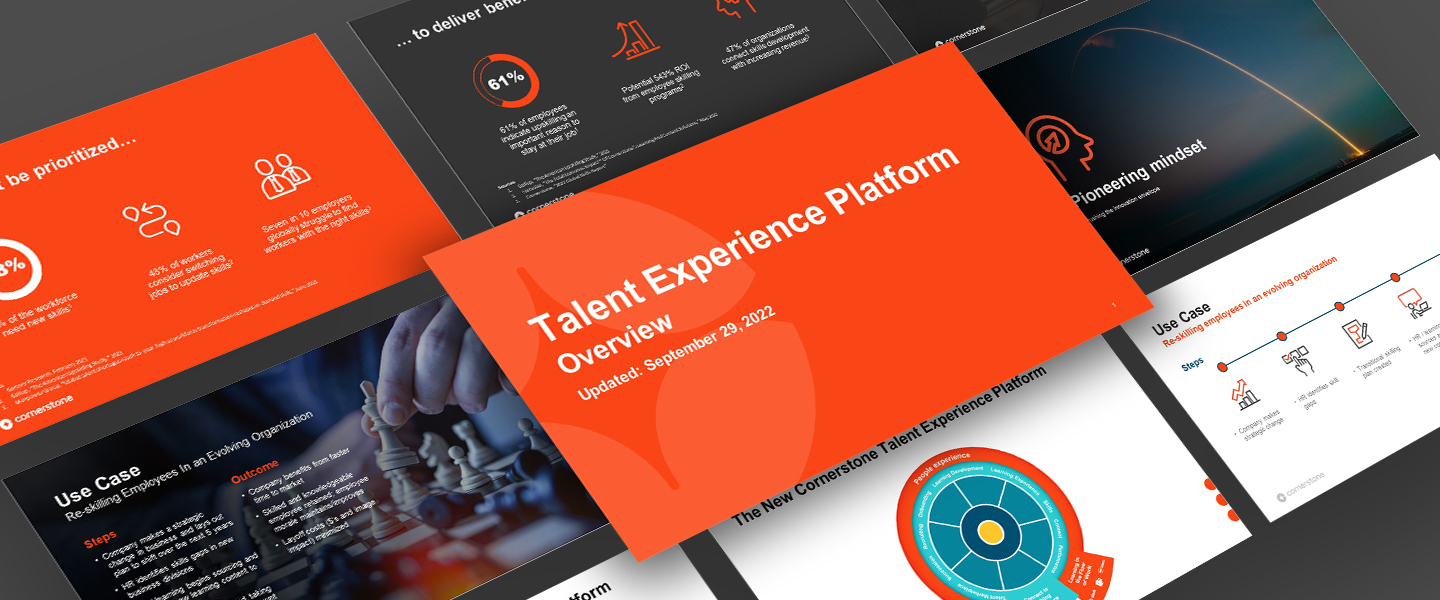
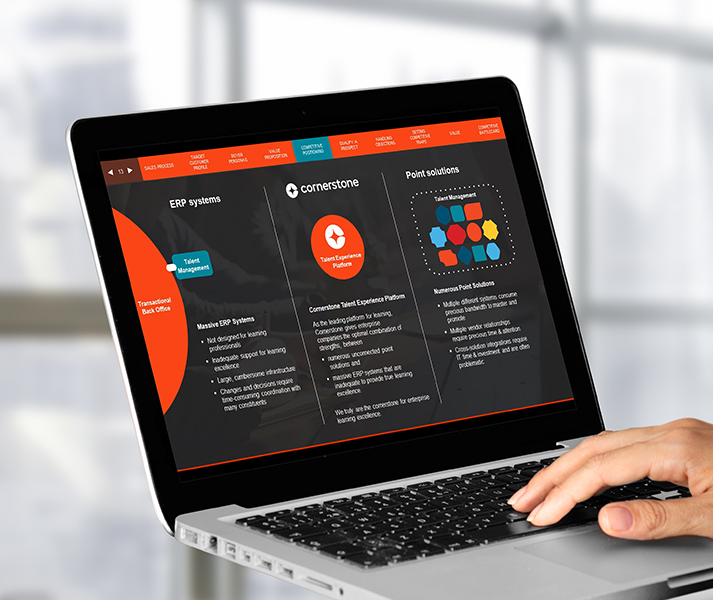
From keynote presentations to playbooks to sales pitch decks, Cornerstone OnDemand trusted us to transform their content into compelling, on-brand stories. We collaborated closely with teams across departments to ensure every slide reflected their voice, values, and visual identity. The result was a cohesive collection of presentations that elevated communication and inspired confidence at every level.
Working with Nyquist Design was a game-changer for our presentations. They took our rough content and turned it into beautifully branded decks that perfectly captured our voice and made every message feel clear and compelling.
Brenden Pickford
After their acquisition of OptionsHouse, TradeMonster hired us to create a series of videos to announce the merger and introduce some of the new functionality that was born from the merger.

The Business Solutions Newsletter is a monthly newsletter that Nyquist Design produces for TD Ameritrade. We designed the initial templates for the website, HTML email, and PDF—all of which adhere to consistent layout and look and feel.
TD Ameritrade provides us with content each month, and we use the templates we designed to produce a new polished website, email, and PDF.

“Working with the Nyquist Design team has been a real pleasure!”
Mary Kate Gulick


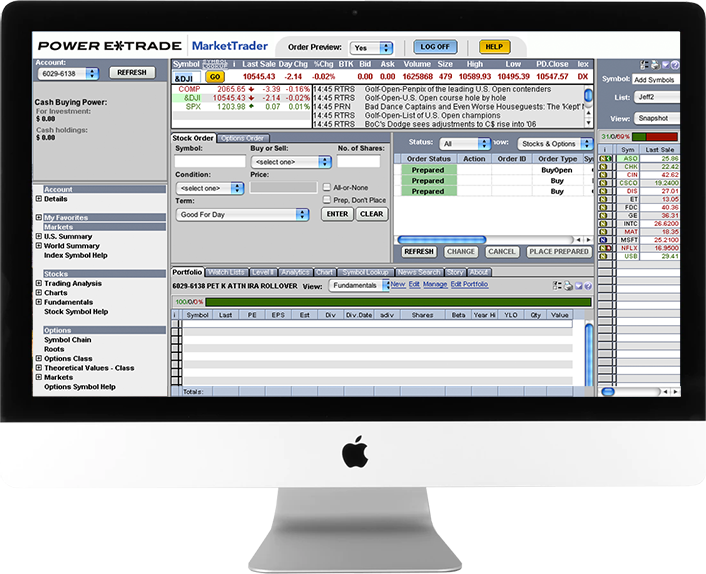
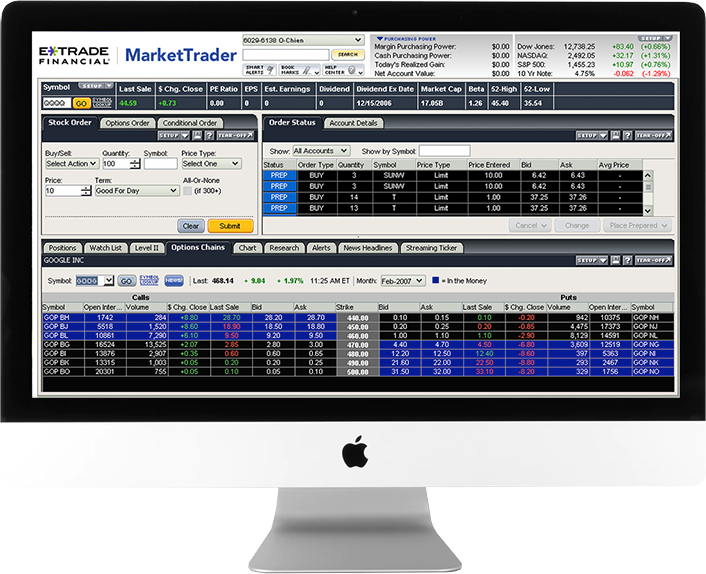
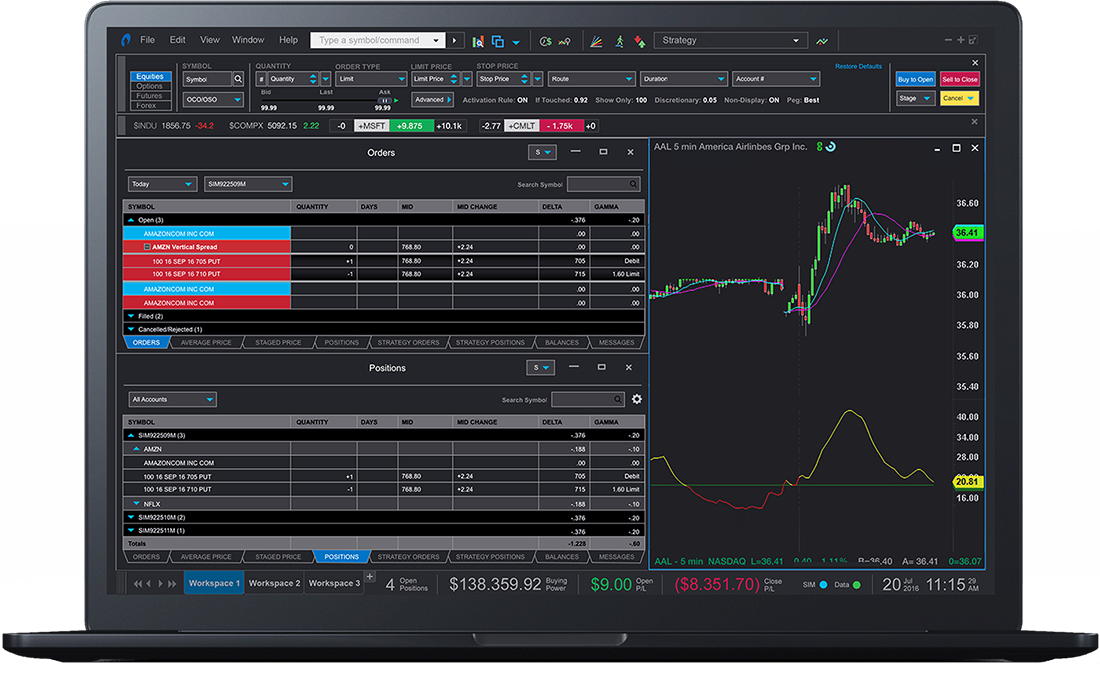
More than just an adept mastery of UX, UI, and visual design, the redesign of the E*TRADE MarketTrader trading platform required an deep knowledge of stock and options trading—not only how it worked at that time, but also how we could design it to be better. In addition to the design of the framework, individual panels, and settings screens, we created detailed documentation for all design aspects, and worked closely with E*TRADE’s dev team to QA the visual implementation of the work product.
Services
Product Design
UX/UI Design
Visual Design
Prototyping
My Role
Strategy
UX Research
UI/UX Design
Visual Design
UX Management
Timeline
12 Months


Nyquist Design is one of our best vendors — they have exceeded our expectations in user design, graphic design, project management, and client account management.
Ingrid StabbThe ETRADE engineering team, committed to delivering excellence, encountered a substantial challenge with their stock trading platform for semi-professional investors. While the platform boasted robust functionalities, its usability and overall aesthetic fell short of expectations. This deficiency became increasingly apparent, negatively impacting user experience and potentially hindering user engagement.
The need for a comprehensive design overhaul became a pressing concern, as the existing shortcomings risked eroding user confidence and satisfaction. Recognizing the pivotal role design plays in user interaction, it became clear that addressing this disparity was not merely an enhancement but a fundamental requirement for sustaining ETRADE’s competitive edge in the dynamic financial technology landscape.

Our comprehensive process commenced with a thorough examination of the ETRADE Pro app and the ETRADE website, supplemented by direct customer interactions, stakeholder interviews, and a meticulous competitive analysis. This exhaustive approach provided crucial insights, shaping the positioning of the mid-level product. Relying on SME interviews, user personas, and journey maps, we tailored the experience to precisely meet the needs and expectations of the target audience. We then refined the designs based on a round of user testing, and worked closely with Engineering to bring the designs to life.

While the overall framework and information architecture aligned with user expectations, our primary focus shifted to redesigning individual tools and numerous setting screens. The introduction of light and dark themes added versatility to the platform. Close collaboration with engineering, QA, and the product team ensured the seamless implementation of these enhancements, aligning the product’s aesthetics more closely with user needs.
The launch of the redesigned MarketTrader platform marked a transformative success for ETRADE. Redesigned tools, setting screens, and theme options showcased a commitment to user-centric design. This resulted in a significant upswing in new sign-ups and revenue, underscoring the profound impact of strategic
design enhancements on user engagement and financial performance. ETRADE’s redesigned platform not only met but exceeded user expectations, establishing the company as a pioneer in delivering a seamless and visually appealing stock trading experience for its users.



Samsung contracted with me to design the UX for their sports offering on mobile, tablet and television. The project was a multi-screen/multi-device interface that allowed Samsung customers to create sports viewing events amongst friends. User could invite friends to watch the game together (either physically or virtually) and the platform allowed them to chat, place bets, share stats, etc. Our role in this project was conceptualization, UX design, UI Design, Documentation, and Design QA.
Services
Product Design
UX/UI Design
Prototyping
My Role
Strategy
UX Research
UI/UX Design
Visual Design
UX Management
Timeline
18 Months

“Nyquist Design is my favorite Silicon Valley design agency. Owner Ian Nyquist and his team are always in tune with their clients and pleasant to collaborate with. Nyquist Design consistently delivered strategic design services on time, within budget and without compromise.”
Su Akyuz


Samsung, renowned for its diverse product offerings including phones, TVs, tablets, and wearables, identified a strategic opportunity to synergize its ecosystem. The vision was clear – to create a cohesive and shared interaction across all Samsung devices, unlocking new dimensions of connectivity and user engagement. Recognizing the potential to elevate its brand standing and offer a unique value proposition, Samsung set its sights on the realm of sports as the catalyst for this transformative initiative.
The significance of this opportunity extended beyond the confines of traditional product offerings. Samsung foresaw the potential to establish itself as a pioneer in shaping the future of multi-device interactions, setting a new industry standard. The convergence of technology and sports held the promise of not just boosting product sales but fostering brand loyalty and creating a unique selling proposition that differentiated Samsung in a crowded market.

Informed by customer interviews and market research, a meticulous mapping process unfolded, identifying the types of information relevant to each device. Brainstorming sessions focused on creating features that not only promoted social engagement but also maximized the utility of Samsung’s diverse product range. The team immersed themselves in the Samsung customer experience, replicating home sports viewing scenarios. The subsequent feature list, aligned with specific devices, formed the basis for the design phase, incorporating moodboards, wireframes, motion studies, and prototypes. Continuous testing and refinement followed.


The resulting design manifested as a true multi-screen experience, enabling users to place friendly bets, seamlessly transition content between devices, and engage in watch parties. From sharing statistics to chatting between friends, the design aimed to enhance the social and interactive aspects of sports consumption within the Samsung ecosystem.
Despite the completion of the design phase, the project faced an unexpected challenge as funding was cut just before the development stage. Adaptability became key as projects were re-prioritized, leading to the incorporation of much of this project’s work into an on-screen info display initiative. While the envisioned multi-screen sports experience didn’t materialize, the iterative design process and insights gleaned contributed to Samsung’s broader initiatives in enhancing user interaction and engagement across its product ecosystem.
The incorporation of these insights underscored the resilience of innovation, steering the company toward a future where on-screen interactions became more intuitive, informative, and closely aligned with user expectations. The legacy of this project lives on, contributing to Samsung’s continuous evolution in delivering enhanced user experiences across its diverse product offerings.

Our 18 years of experience working for fintech companies made us the perfect design partner for OakNorth Bank of London. While working an extensive discovery phase for the redesign of their product offerings, Nyquist Design set up shop overseas on a couple occasions, in order to facilitate design sprint training sessions with the broader company.

I have had the pleasure of working with Nyquist Design twice and have always been impressed by their ability to jump into a project and work quickly with teams at any stage of development. They’re a talented and seasoned product design team who approaches each project with a wonderfully optimistic ‘can do’ attitude, which makes them an absolute joy to work with. If you need a product designer to help you, I highly recommend Nyquist Design!
Elena Khol

OakNorth found itself with a wealth of ideas for product features and content but lacked a cohesive vision for their integration. Despite a surplus of product managers and engineers, the absence of designers posed a challenge in defining the details and overall user experience.
Leadership’s aspiration to involve product managers and engineers in design thinking faced hurdles due to their limited design experience, preventing the team from establishing a solid foothold in this creative domain.

To address the design gap, OakNorth enlisted Nyquist Design, who helped to facilitate a one-week design workshop in London, focusing on “The Sprint Methodology.” Recognized for its efficiency in solving complex problems, this methodology provided a structured framework for collaboration. The workshop brought together product managers, engineers, and Nyquist Design’s experts to streamline ideation, prioritize features, and instill design thinking skills among the team.


Nyquist Design’s strategic involvement successfully filled OakNorth’s design gap. The one-week design workshop, centered around “The Sprint Methodology,” enabled teams to align their vision cohesively. Nyquist not only provided a structured framework for ideation but also equipped product managers and engineers with essential design thinking skills. This collaborative approach not only addressed immediate design challenges but laid the foundation for an enduring partnership, empowering OakNorth to infuse design principles into their product development process.
The collaboration with Nyquist Design yielded transformative results for OakNorth. The once disjointed ideas for product features and content evolved into a more coherent and user-centric vision. The infusion of design expertise and the adoption of design thinking principles led to tangible improvements in the user experience and overall product quality.
Moreover, this collaborative effort boosted team morale, with product managers and engineers embracing their enhanced role in the design process. This case study stands as a testament to how strategic partnerships and focused workshops can drive meaningful change, enabling organizations to overcome creative challenges and innovate successfully.
30+ Product Managers, Engineers, Designers, and researchers empowered with design training, working toward a common goal.


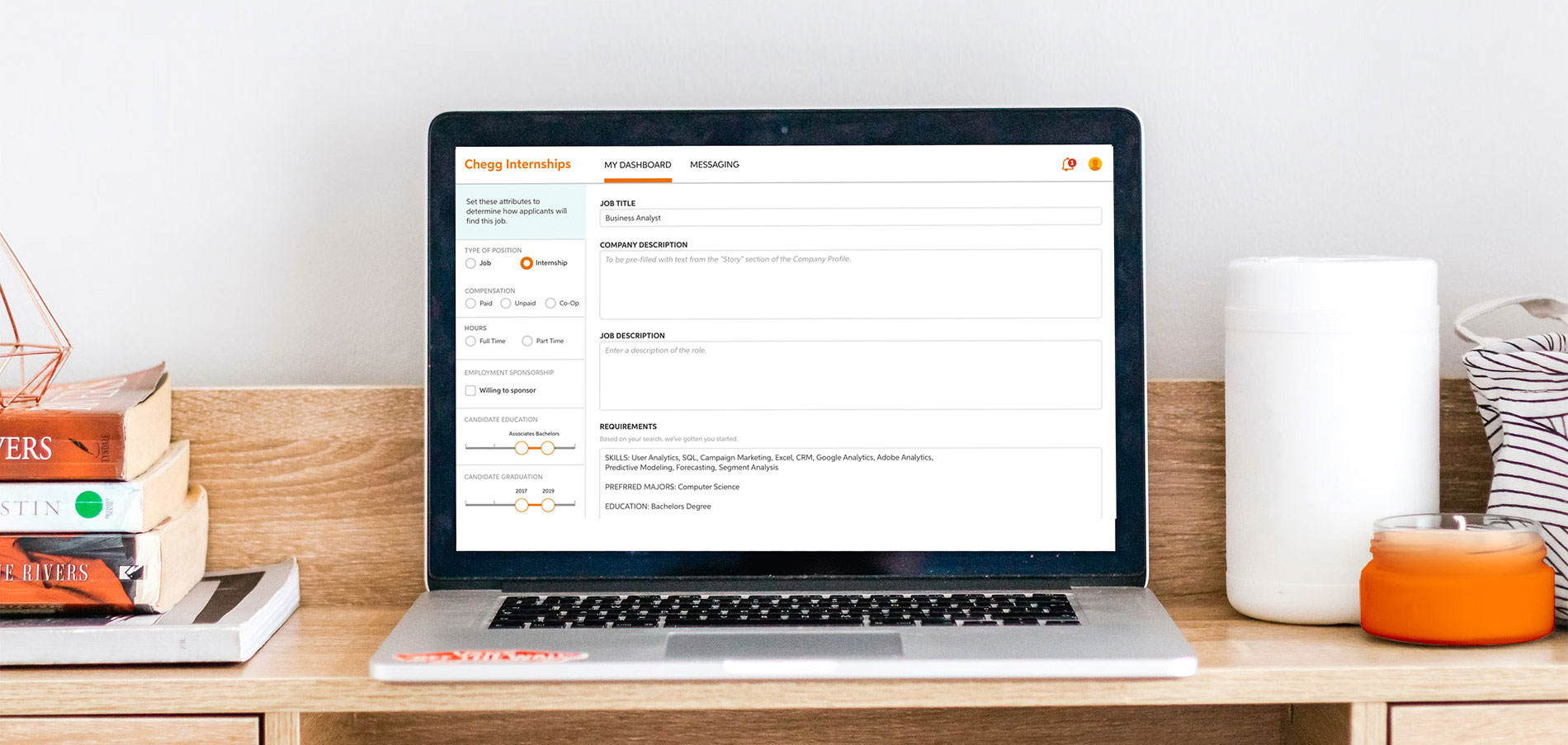
When textbook rental giant and student advocate, Chegg, decided to venture into the job placement market, they collaborated with us to design the user experience and interface for a website which would connect employers with students that were uniquely qualified for positions. We designed both the employer experience and student experience on desktop and mobile.

They are amazing partners – from product ideation, to brand marketing, to visual design, to user experience research, to interactive design. Highly focused and committed to our success, Nyquist design has been the most important partner I’ve worked with in product development.
Vikram Subramaniam

In recognizing its role as a trusted brand for students and recent graduates, Chegg identified a unique opportunity to extend its support beyond academics. Armed with specific knowledge about students’ studies and proficiencies, Chegg envisioned a significant role in helping customers navigate their post-graduation career paths successfully.

The ambitious goal led Chegg to conceptualize a revolutionary career matching website, a platform that would serve as a bridge connecting students with job and internship opportunities precisely aligned with their skills and aspirations. Seeking to transform this vision into reality, Chegg engaged our expertise. The collaborative process began with comprehensive market research, student interviews, and insights from subject matter experts within the company.
Working in close partnership with Product Managers and leadership, we delved into various testing options, drawing inspiration from meticulously crafted user personas and journey maps. The design process was iterative, undergoing multiple rounds of testing and refinement to ensure the alignment of the final product with the intended vision.


Site Architecture


Wireframes for pathway widget
The focus of the initiative spanned two distinctive user groups—students and employers. These user segments presented diverse motivations and workflows, necessitating the creation of two interconnected websites. One catered to students, offering a holistic suite of features such as exploring career paths, setting goals, posting resumes, applying to positions, and gaining insights about potential employers. The other, tailored for employers, facilitated seamless job management, candidate curation, and provided valuable macro and micro-level insights. Additionally, it served as a valuable resource for employers to set competitive salaries and benefits.
Chegg’s visionary approach and strategic evolution beyond academic support resulted in a dual-website solution that not only bridged the gap between students and employers but also empowered individuals in their career pursuits. The innovative platforms fostered a symbiotic ecosystem, creating a seamless bridge between students and employers in the professional realm. The transformative impact of these platforms extended beyond
the digital realm, solidifying Chegg’s position as a holistic career partner for its users. The success was measurable, marked by enhanced engagement, increased sign-ups, and a positive impact on the career trajectories of students and the hiring landscape for employers. This case study stands as a testament to the power of strategic thinking and collaborative design in shaping the future of student-professional transitions.


Vonage, once a world-renowned telephony company, lives on today as a top player in the communications API space. In an ongoing cycle of user interviews, and design refinement, we worked with them to redesign their developer website, which was a big success, both internally and externally.
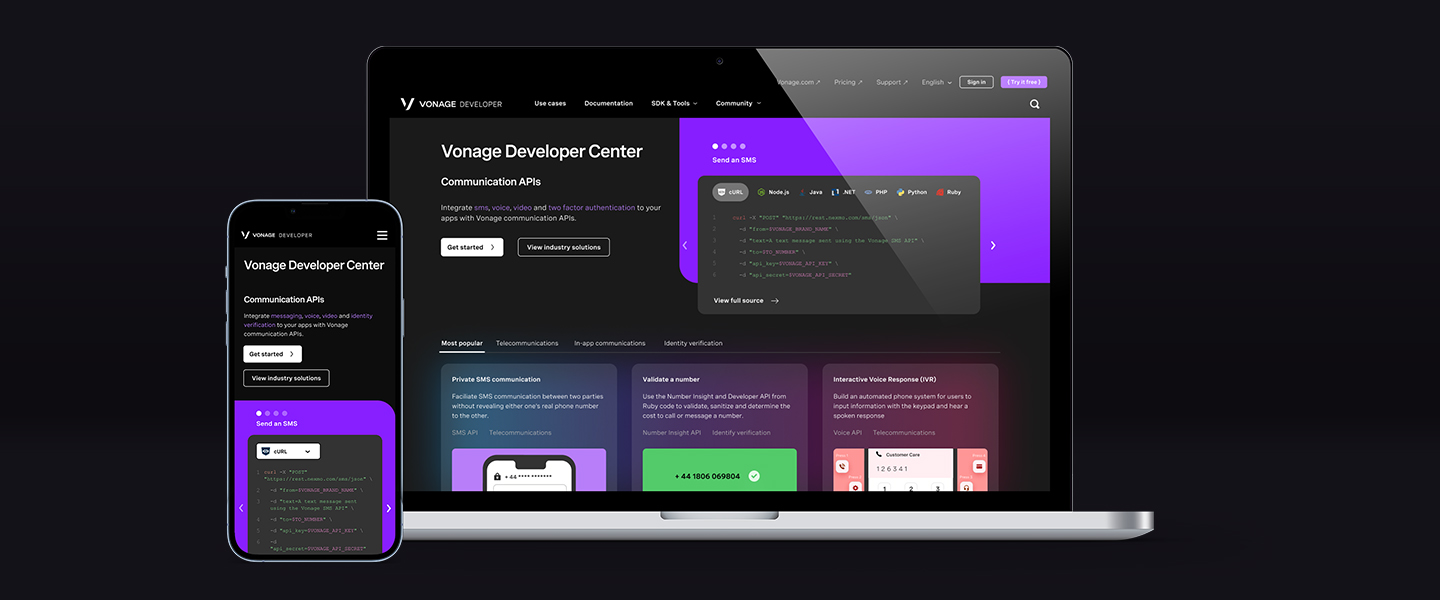
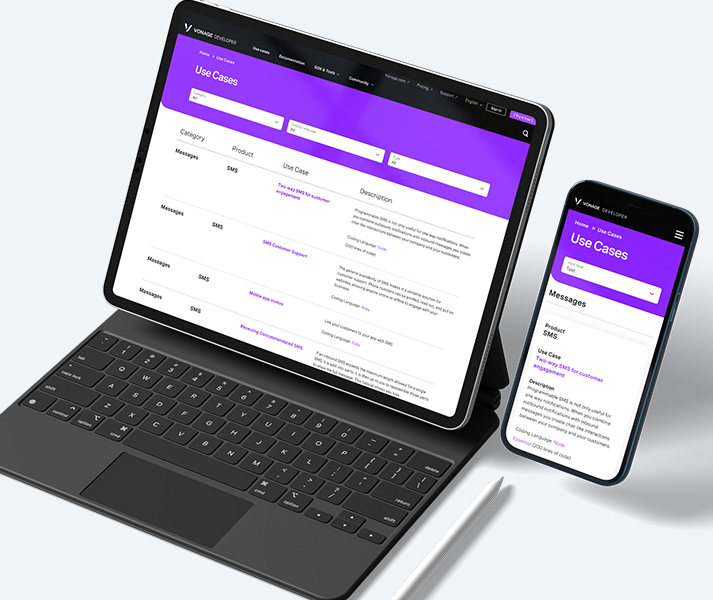
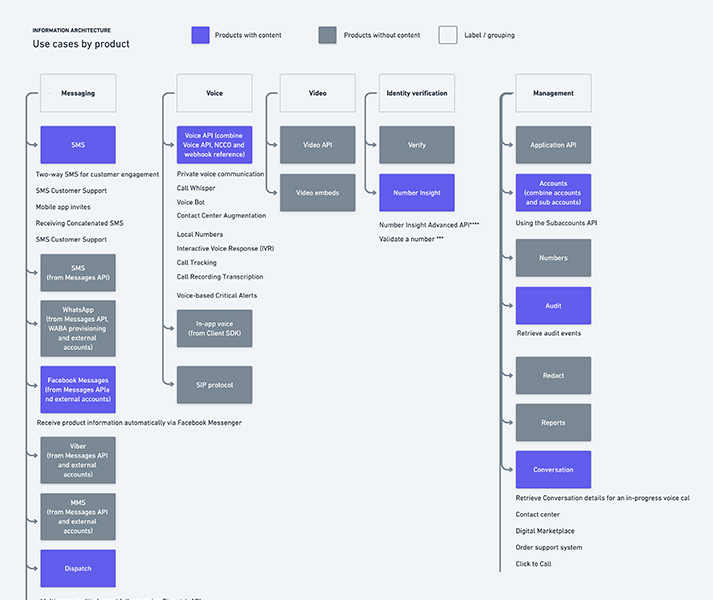
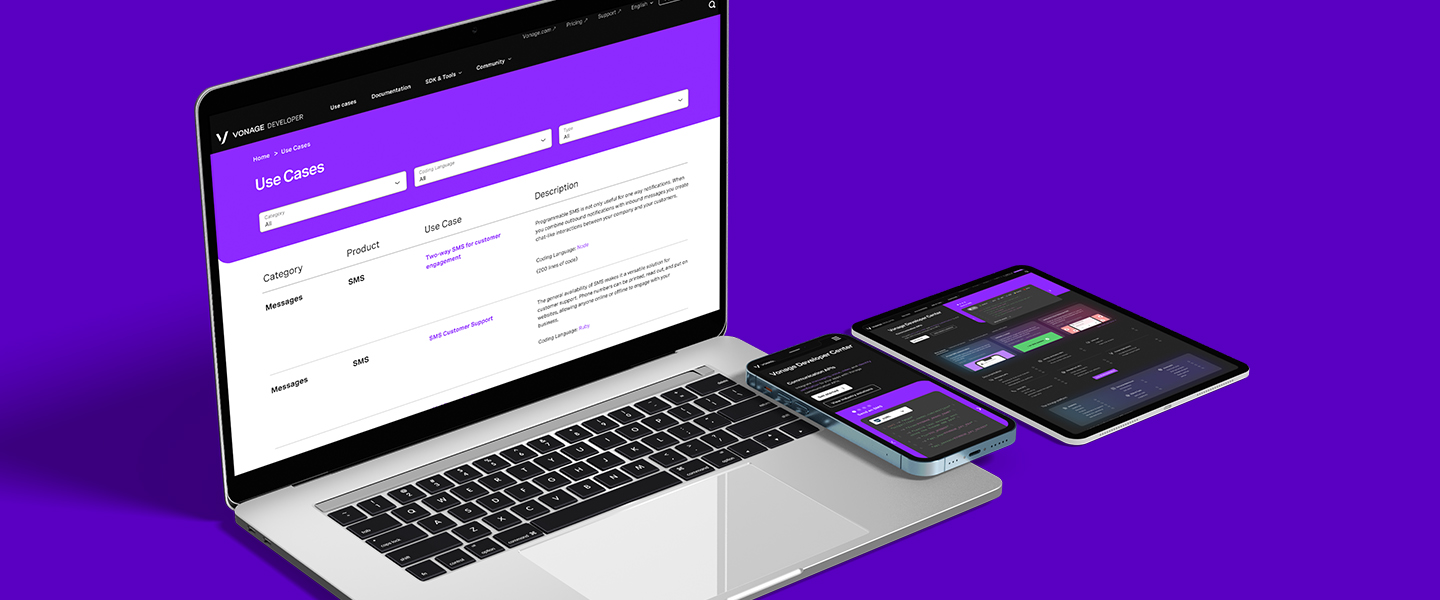
In the dynamic landscape of the communications API sector, Vonage encountered a mounting challenge as competitors such as Twilio, Pilvo, and Commio aggressively encroached on their market share. The urgency to maintain a competitive edge became paramount. Vonage had initiated a pivotal developer portal redesign to fortify their position and engage more effectively with their user base. However, this strategic endeavor faced a critical setback as key design leadership departed mid-initiative, leaving a void in the crucial alignment between company leadership and the internal design team.
Recognizing the pivotal need to navigate this intricate terrain, Vonage sought external expertise to serve as a Senior Design Manager. The mission was clear: bridge the gap, guide the internal design team, and ensure the seamless execution of the developer platform redesign. This challenge became a defining moment, requiring a strategic alliance between company leadership, the design team, and us and the external experts to chart a course that would not only counter competitive threats but also elevate Vonage’s standing in the communications API arena.

Embracing the role of Senior Design Manager, we embarked on a collaborative journey with Vonage’s internal design team. The process commenced with comprehensive research, delving into user interviews and subject matter expert discussions. These insights laid the foundation for the creation of User Personas and Journey maps, providing a holistic understanding of the user experience landscape.
Confident in our general approach and direction, we advanced to the design and prototyping phase. Solutions were meticulously crafted, bearing in mind the insights gleaned from research. To validate and enhance the design, four rounds of testing with customers and potential users were conducted. Each testing cycle brought forth valuable feedback, steering the design towards a more refined and user-centric iteration.
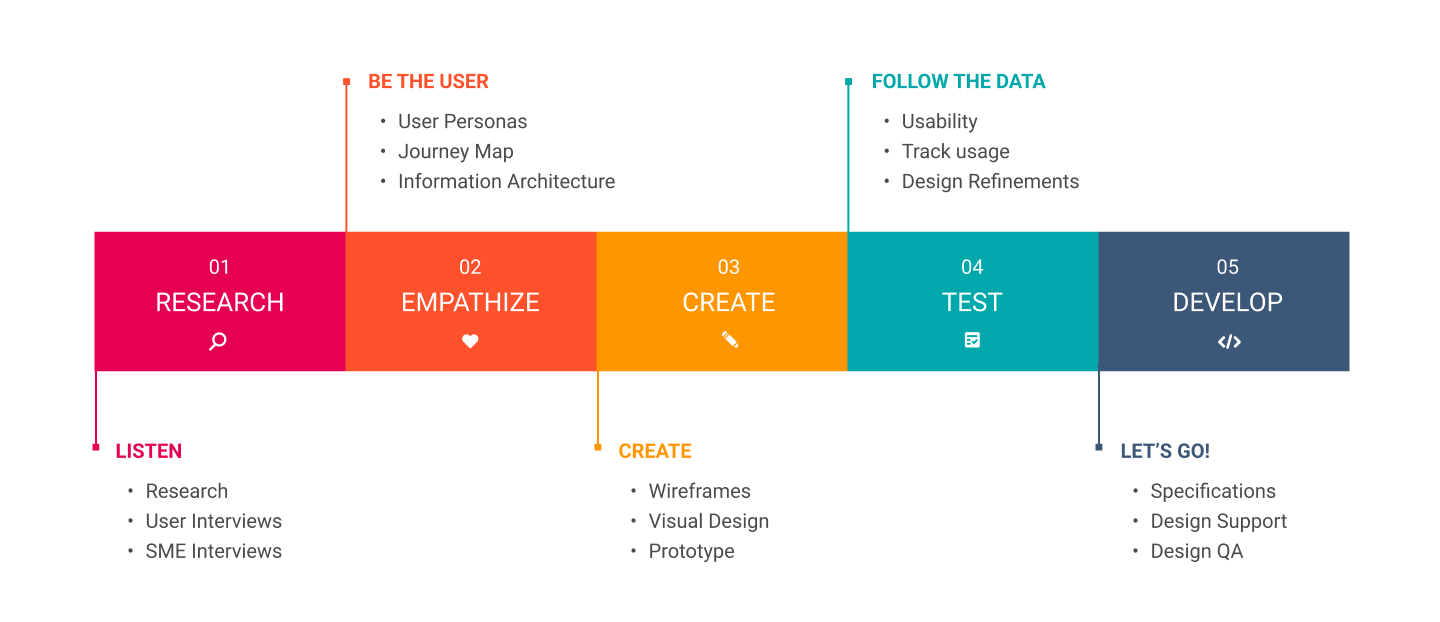
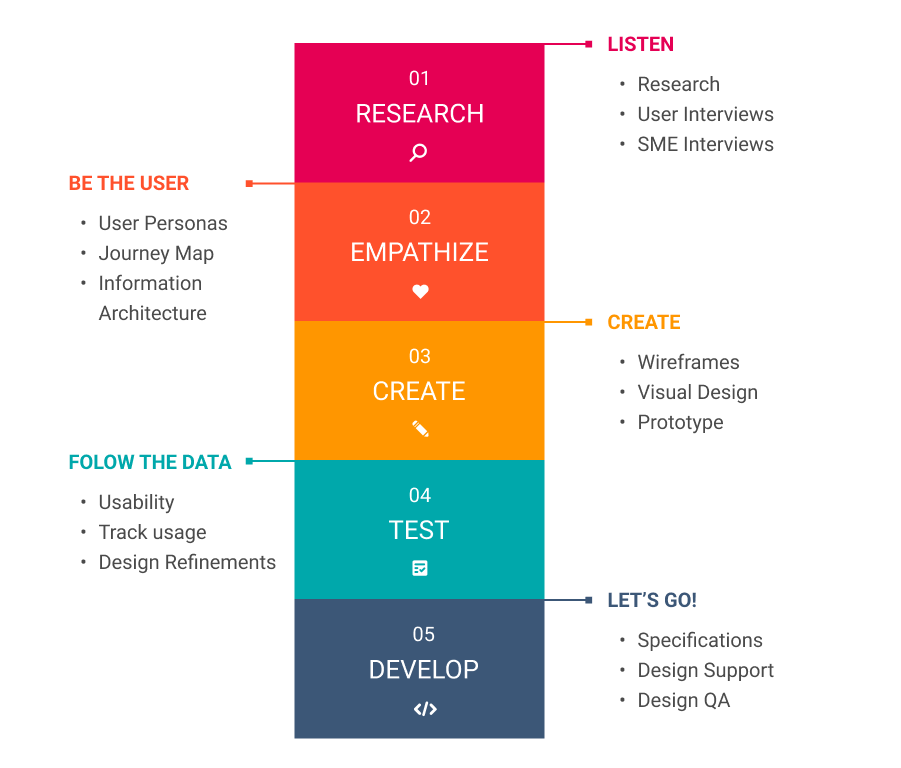
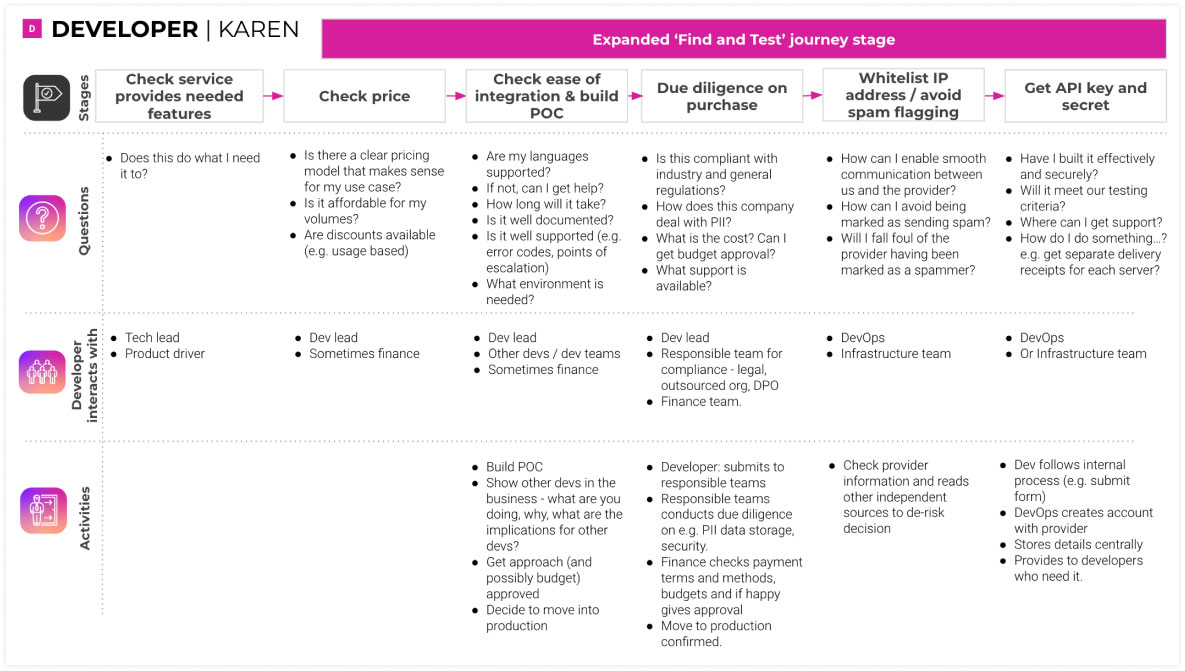
Journey Map
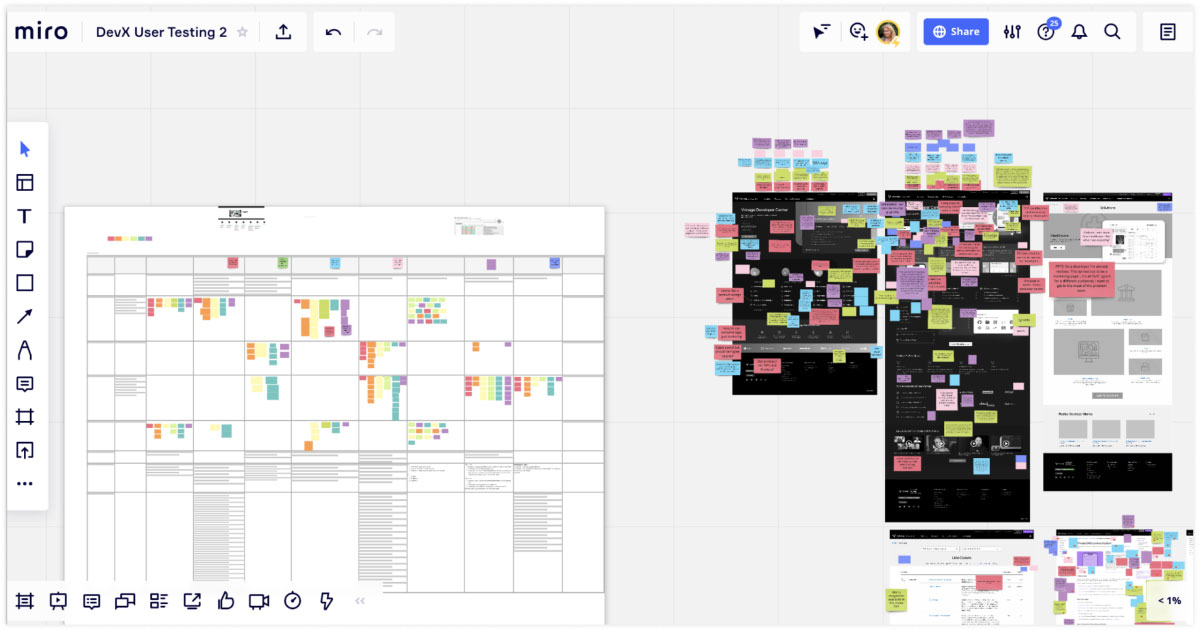
User Testing Map/Miro board
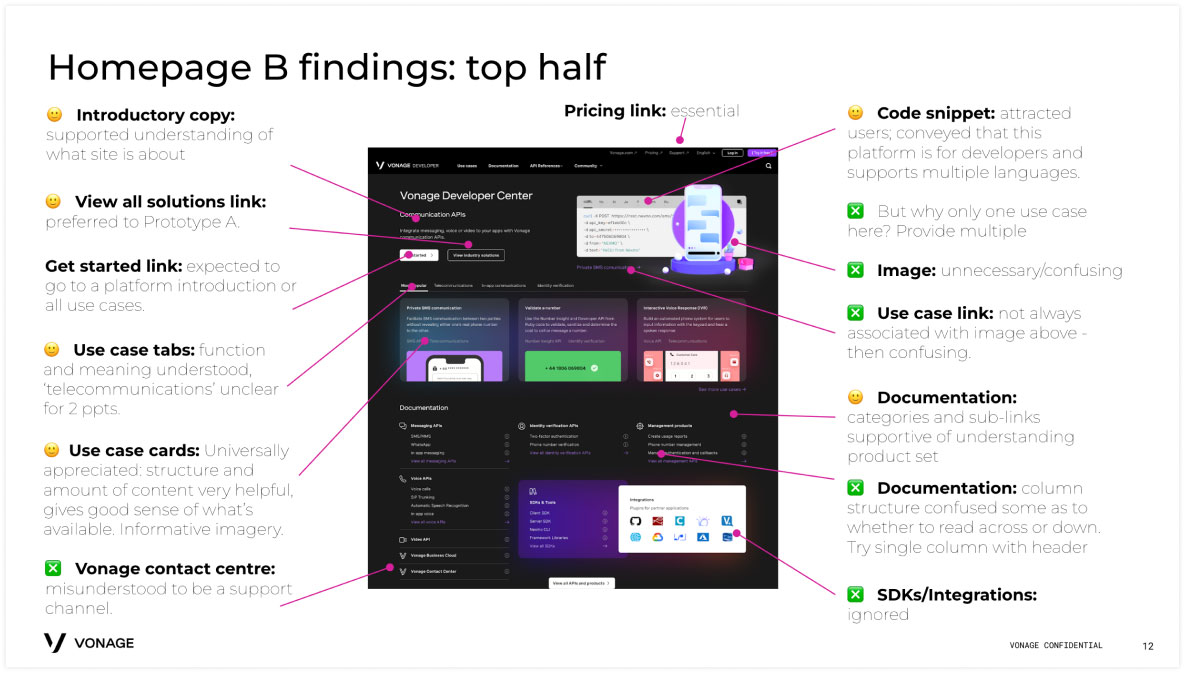
User Testing Analysis
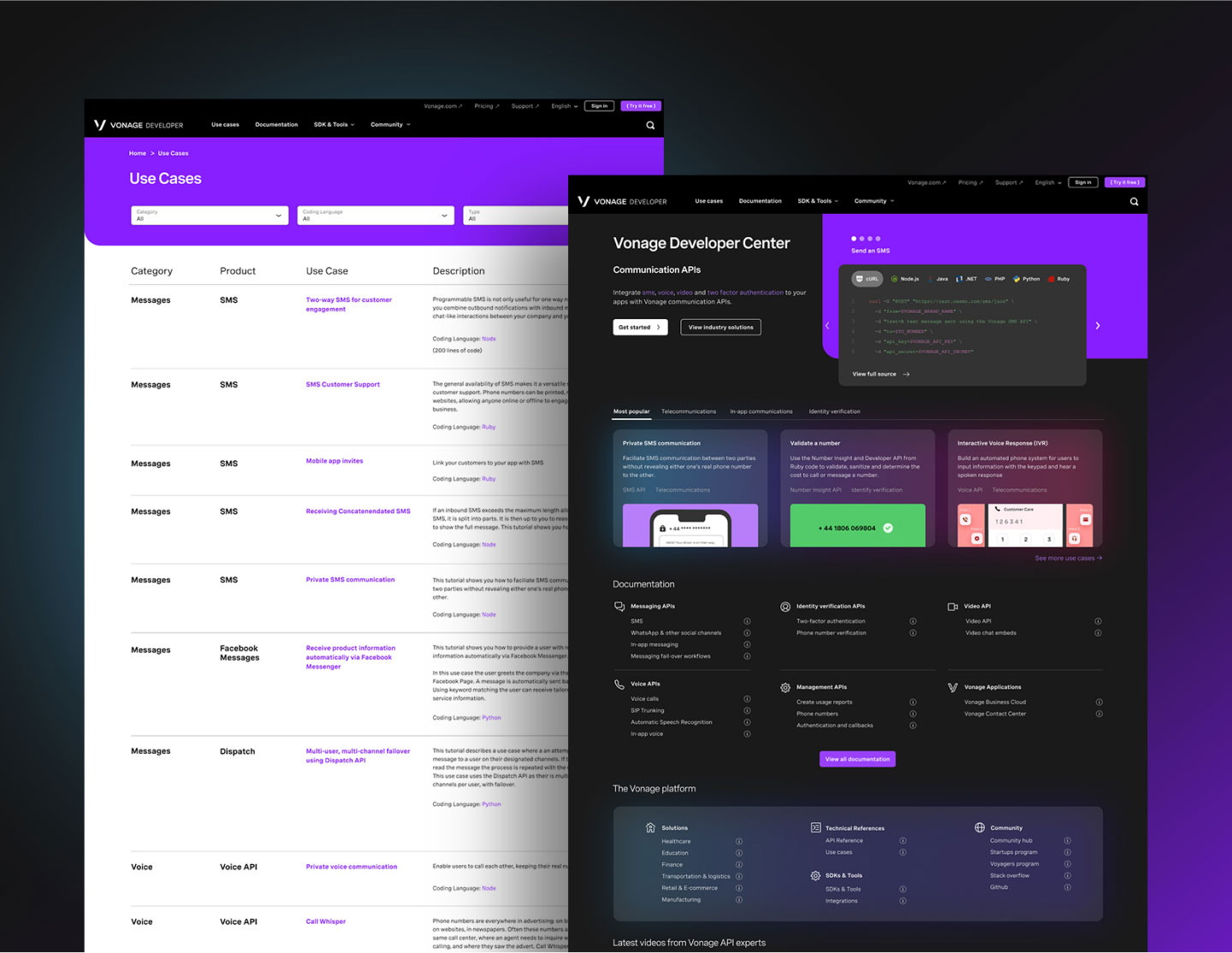
The culmination of this exhaustive process resulted in a powerful developer site, intricately designed and extensively tested to meet the evolving needs of Vonage’s user base. Desktop layout took precedence in the design, aligning with research indicating prevalent desktop usage among developers. The iterative design process, incorporating personas, journey maps, wireframes, and prototypes, was instrumental in shaping the final product.
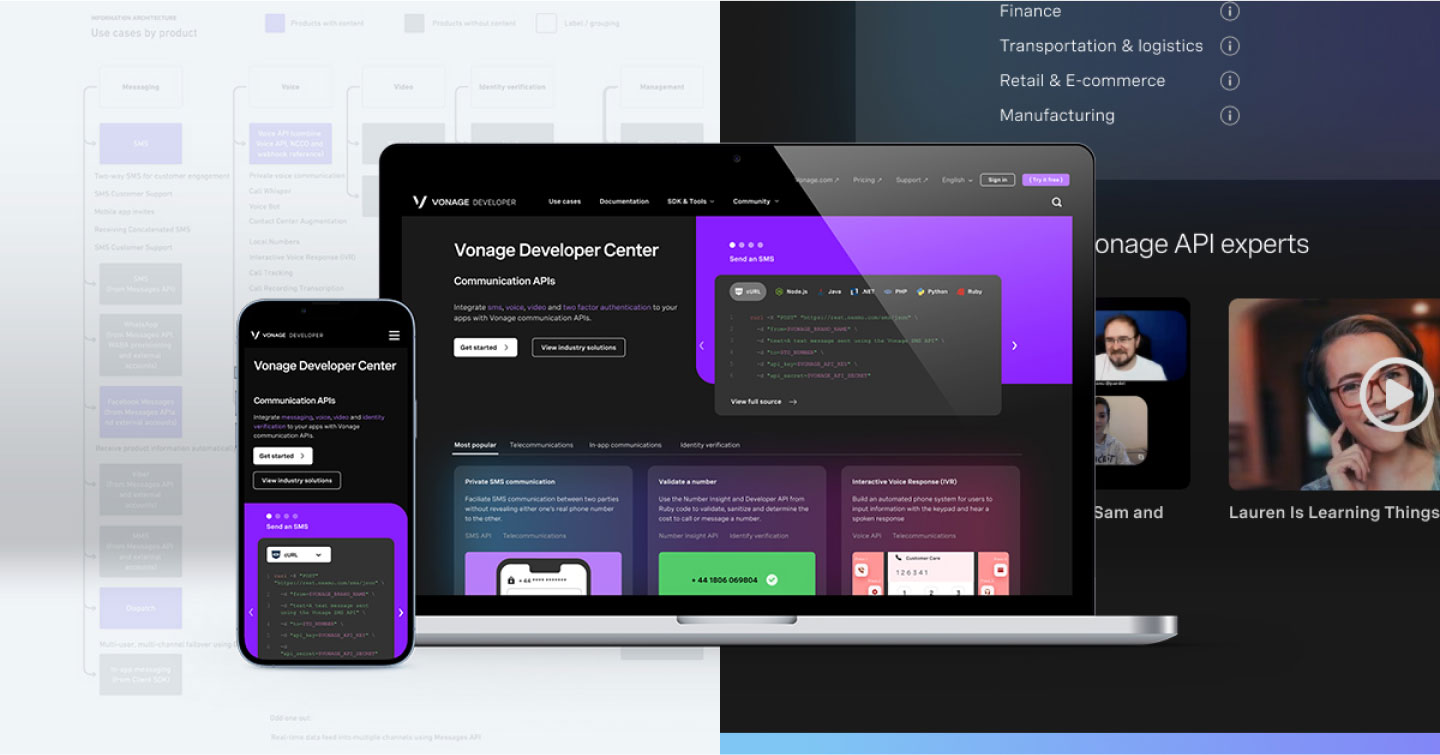
Vonage witnessed a transformative impact, marked by a 23% surge in sign-ups and an 18% increase in first-time account funding. The strategic redesign not only fortified their position in the communications API space but also solidified relationships with developers, positioning Vonage for sustained success in a fiercely competitive landscape.
The case study exemplifies the power of strategic design management in overcoming complex challenges, ensuring the seamless execution of critical initiatives, and driving tangible results in a competitive business landscape.
23% Surge in sign-ups and an 18% increase in first-time account funding
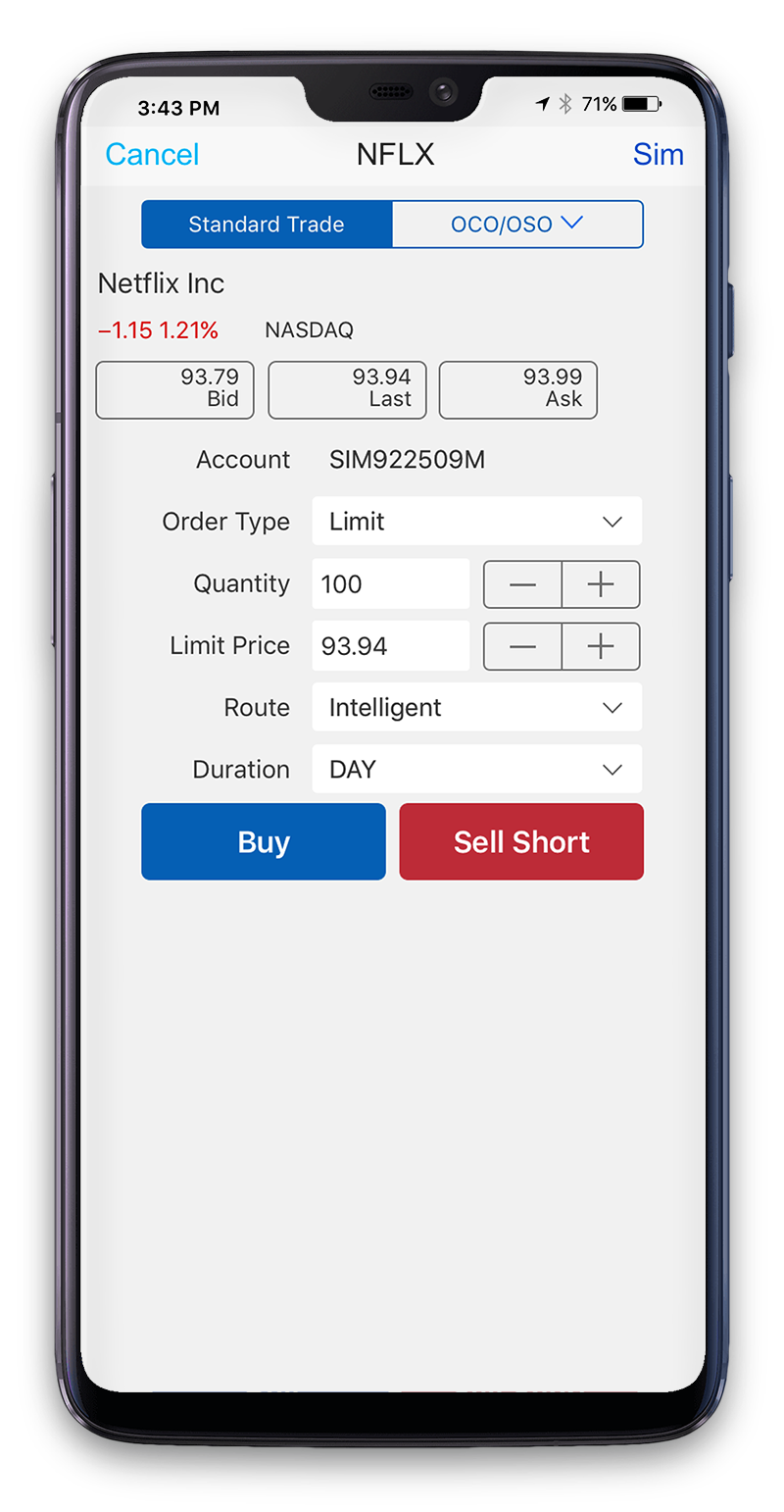
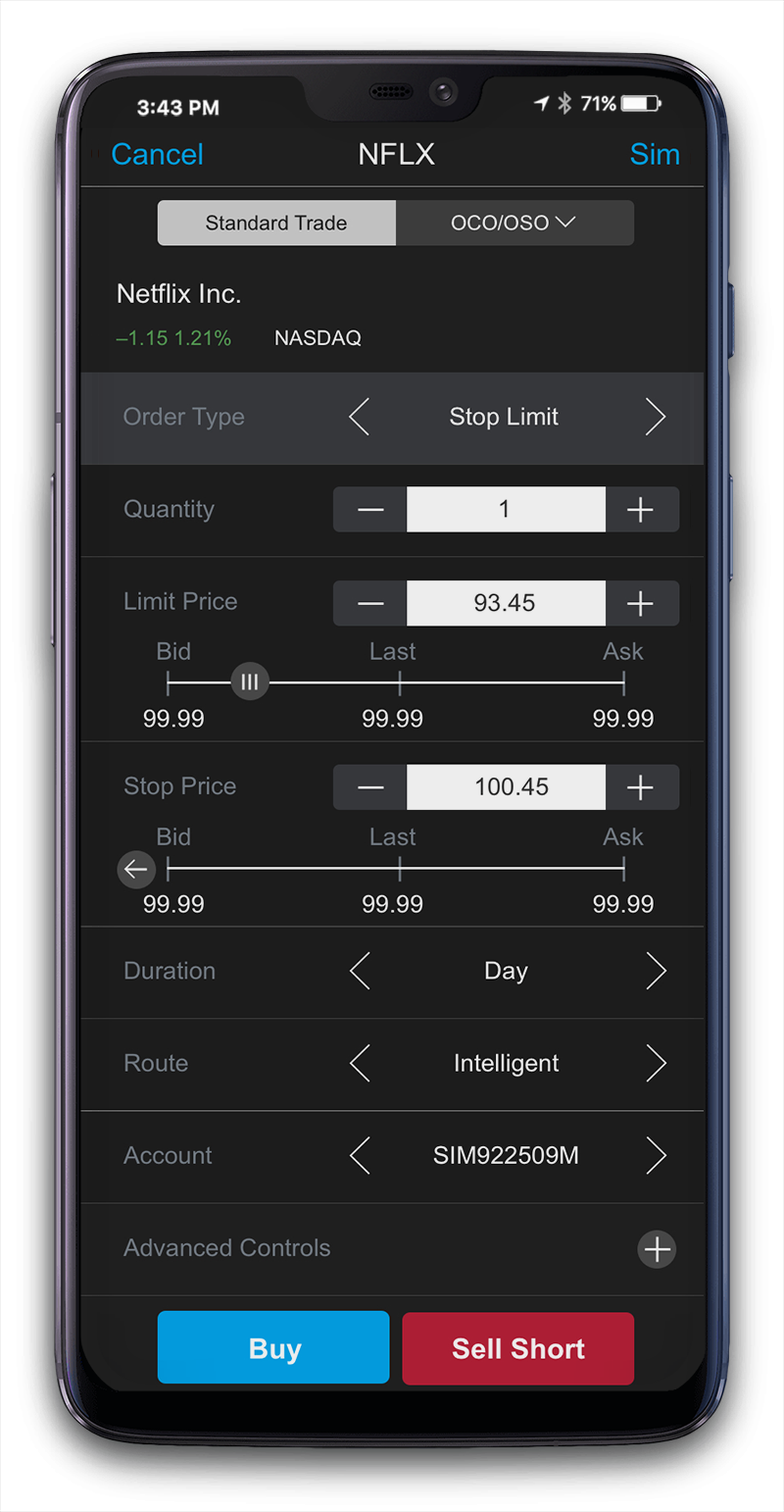
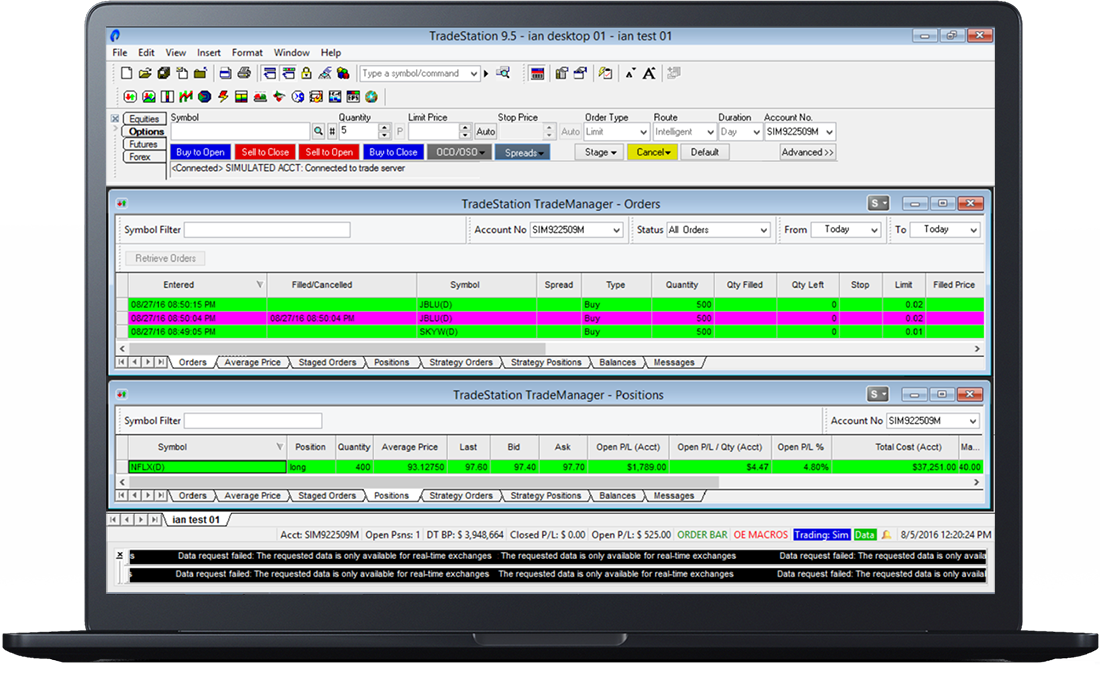
Today’s online brokerages offer investors multiple ways to manage their portfolios— applications, web apps, mobile apps, and websites. With users switching between these platforms, inconsistencies between them can cause confusion—leading to losses and missed opportunities. TradeStation hired us to audit all of their trading tools and redesign them to be more visually and functionally aligned.


PayPal hired us to design the user experience and UI for an internal tool that allows PayPal executives to track business-critical KPIs and financials. Our goal was to create a cohesive, real-time dashboard to streamline executive decision-making processes.

“Without a doubt, working with Nyquist Design is a professional experience. Through the various projects I have worked on with them, their team have always gone above and beyond to produce and deliver outstanding creative work. They put emphasis on punctual delivery, while still being flexible to last minute changes. Plus, they’re fun to work with!”
Laura Ward

PayPal executives were facing significant challenges in tracking and analyzing business-critical KPIs and financial data. They had to toggle between a patchwork of multiple third-party tools and custom applications to gather insights about the health of the business. This fragmented approach often resulted in outdated information and inefficiencies, hindering their ability to make informed, real-time decisions.
The lack of a unified platform meant that executives spent more time collating data than analyzing it, leading to delays in strategic planning and operational adjustments. An integrated, real-time solution was essential to provide a clear, comprehensive view of the company’s performance metrics.

To address these challenges, we began by interviewing key stakeholders and subject matter experts to understand the specific needs and priorities of the executive team. This initial phase allowed us to quickly ramp up and gain clarity on the most critical KPIs and data points required. We created detailed journey maps and user flows to visualize how executives would interact with the tool. Wireframes and visual designs were then developed to outline the structure and aesthetics of the dashboard. Throughout the design process, we conducted usability testing with executives to ensure that the interface was intuitive and met their expectations. This iterative approach allowed us to refine the design based on direct feedback and ensure its alignment with business needs.


We designed an internal website that executives could log into and immediately access real-time data visualizations for key performance indicators. This platform provided a centralized, intuitive interface where all critical metrics were displayed in a clear, actionable format. The dashboard included customizable views, allowing executives to tailor the information to their specific needs and preferences. Real-time data integration ensured that the insights were always up-to-date, enabling prompt and informed decision-making. The design emphasized ease of use, with a clean and modern UI that facilitated quick access to essential data without overwhelming the user.
The implementation of the new internal tool significantly enhanced the agility and confidence of PayPal’s executive leadership. With a centralized platform providing real-time data, executives could make more informed decisions swiftly and accurately. The tool eliminated the inefficiencies associated with using multiple third-party applications,
resulting in streamlined workflows and improved productivity. The ability to access up-to-date insights at any time empowered the leadership team to respond proactively to market changes and operational challenges. Overall, the project delivered a robust solution that transformed PayPal’s approach to business intelligence and strategic planning.